Homeostasis

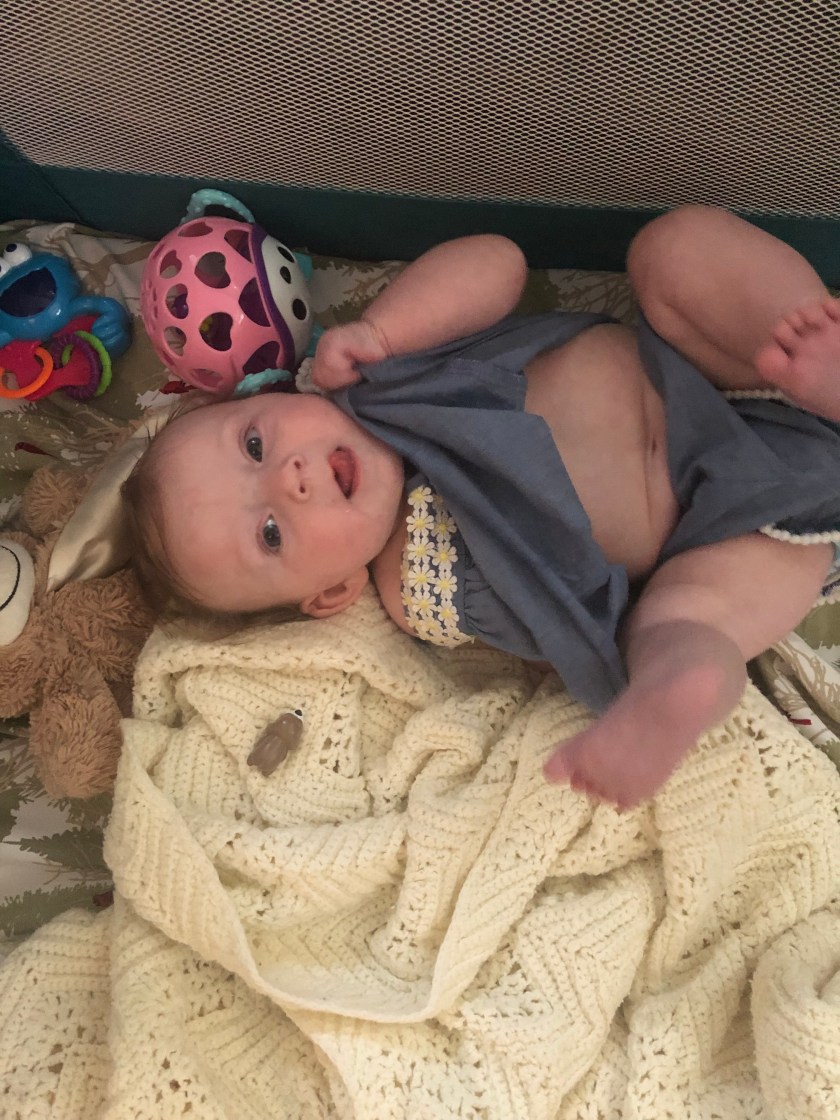
Homeostasis is the ability of an organism to keep internal stability even as the environmental conditions around them are changing. All humans are an example of homeostasis. Due to being in a room with no air conditioning, the baby’s body produces sweat to maintain its internal body temperature.
Homologous Structure

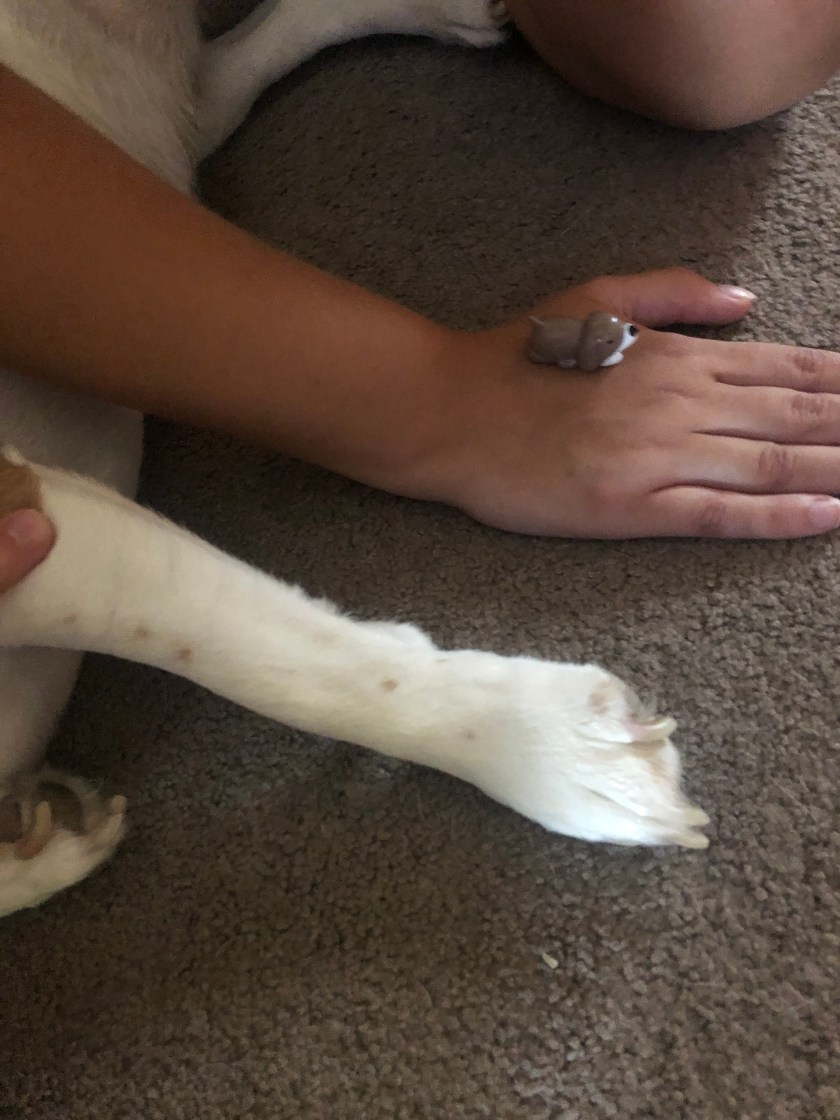
A human’s arm and a dog’s leg are homologous structures. This type of structure is any bone(s) found in two organisms that suggest an ancestral connection. Although the dog leg and human arm shown have different purposes, they are homologous due to the similar structures. Both limbs contain an ulna and a radius.


Heterotroph

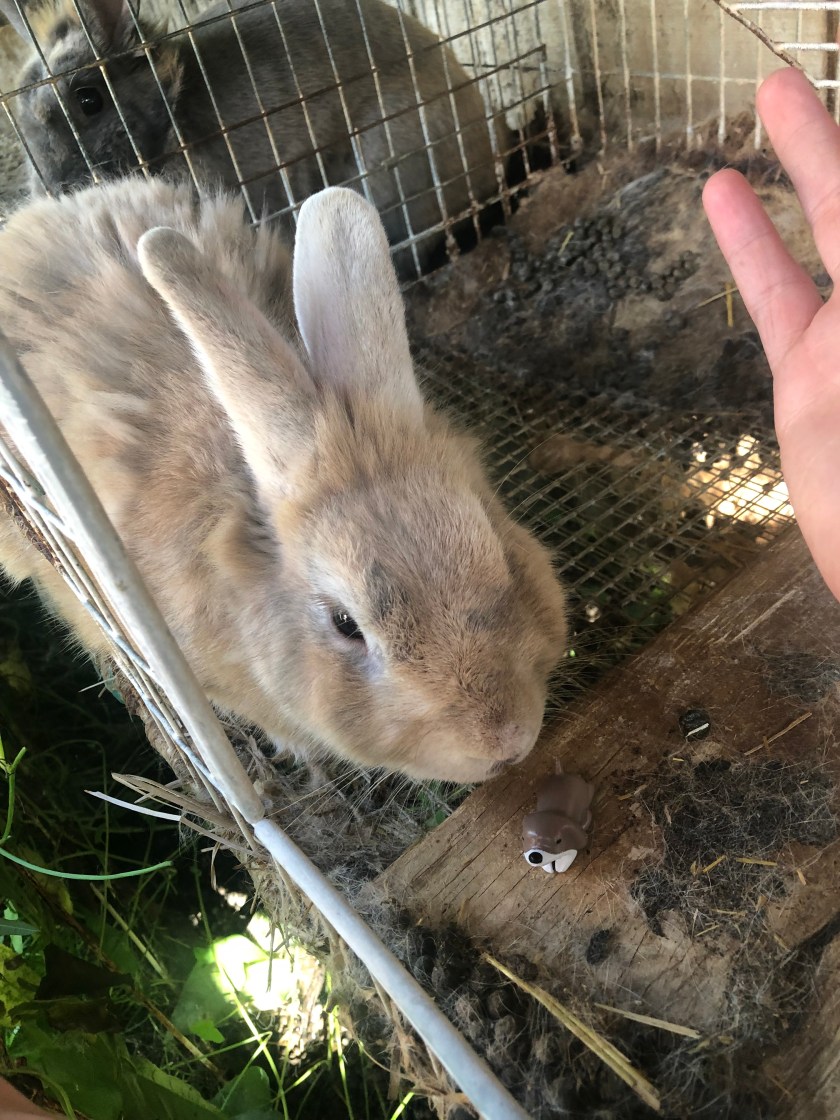
A heterotroph gains its food or nutrients by eating other plants and animals. These organisms do not have the ability to produce there own source of energy and are dependent on others. This rabbit shown relies on being given food and water everyday to be able to survive.


Pollinator

In this picture, the honey bee is acting as a pollinator. A pollinator is considered as any animal that moves pollen from the male anther to the female reproductive organ of a flower to begin the fertilization process. This bee is either gathering or delivering pollen to the clover so it is able to fertilize another or reproduce asexually.


Exoskeleton

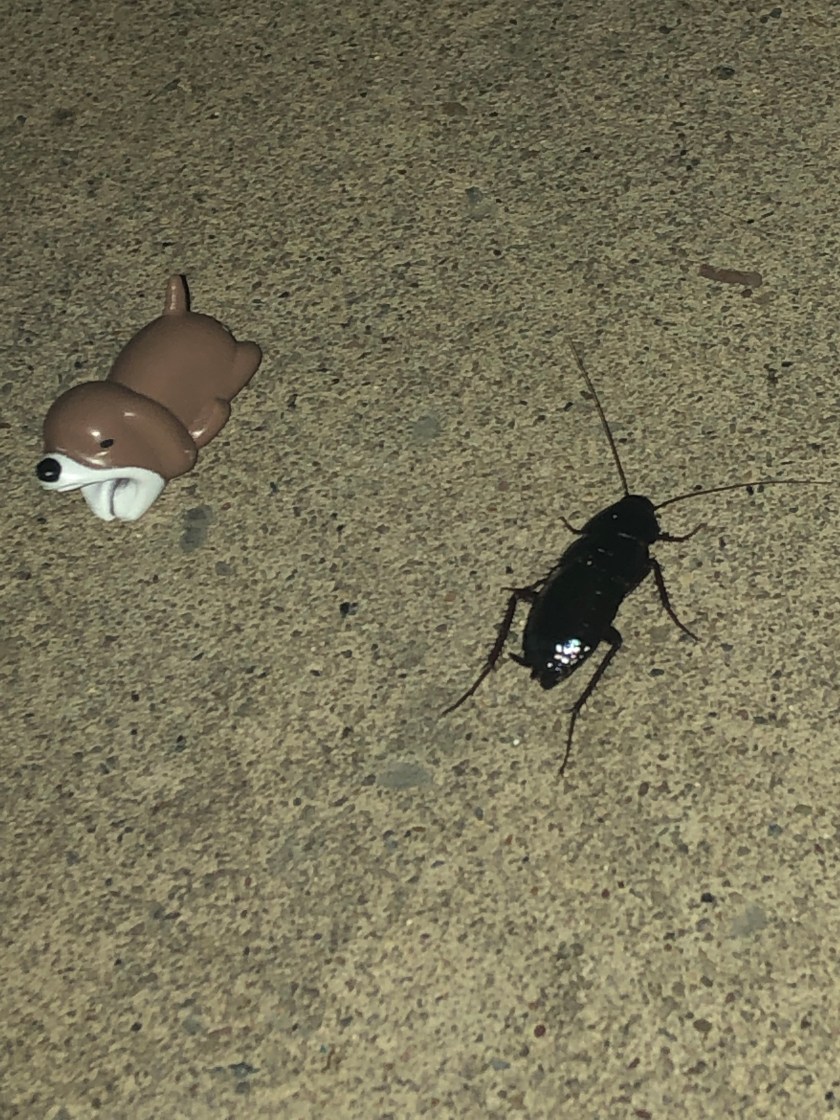
The exoskeleton of an animal protects its body by acting as a hard, outer layer. In this picture, the bug has a wide, black shell covering its soft head and body. This layer protects the bug from predators and other dangers.