Gymnosperm leaf

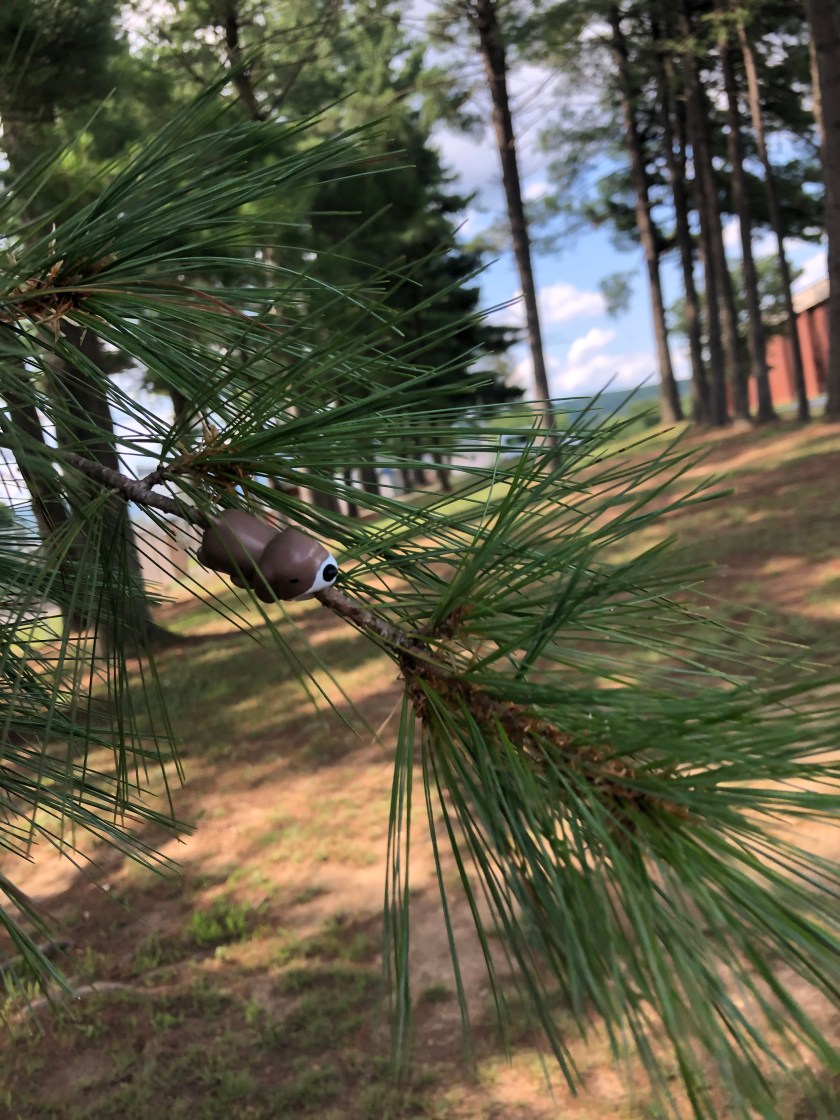
This picture is an example of a gymnosperm leaf. Gymnosperm leaves exist on plants that produce seeds which are not enclosed inside a fruit. Because this pine tree produces seeds that are not enclosed inside any ovary, the pine needles of this tree are considered gymnosperm leaves.
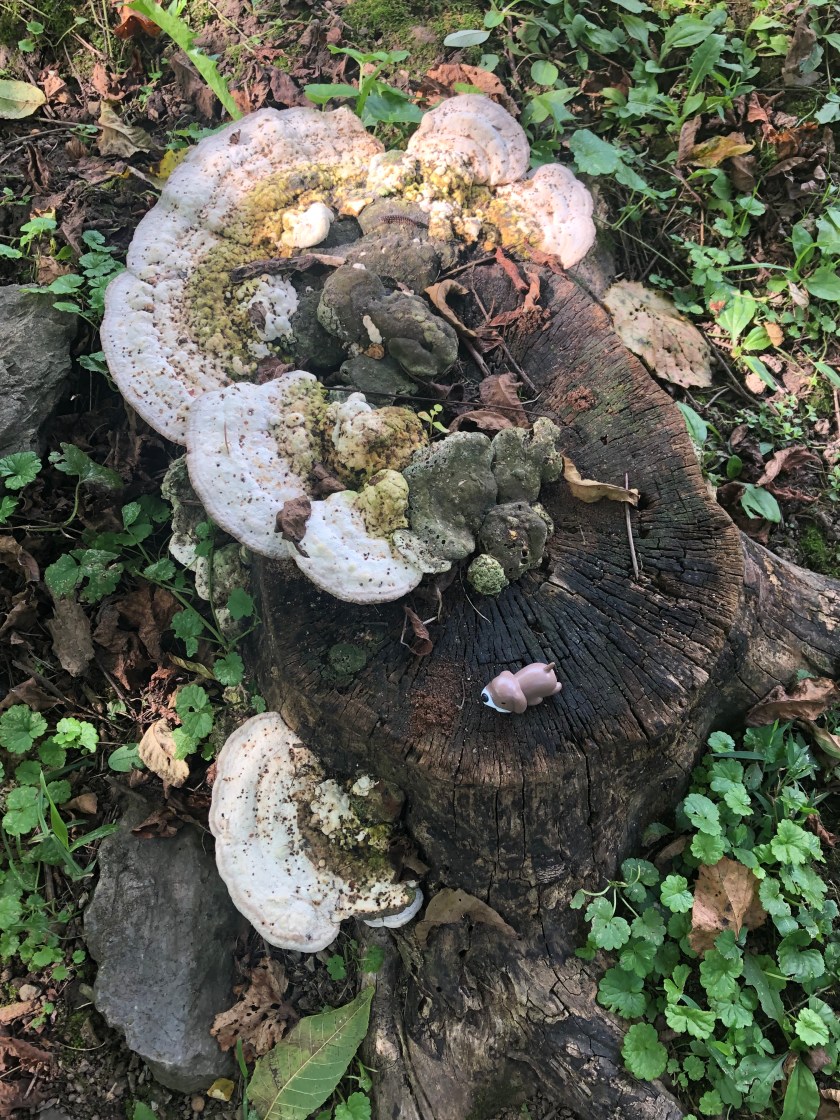
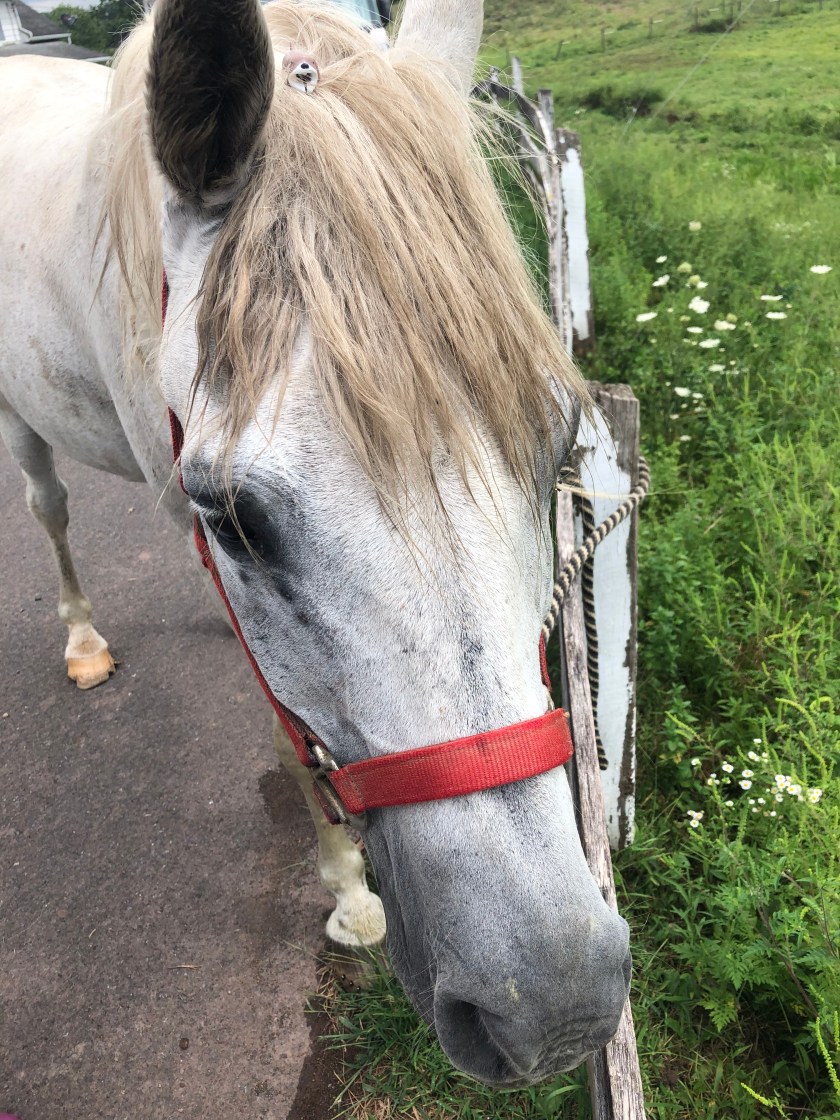
Niche

The niche of an organism is the specific role it plays in the ecosystem. Depending on the conditions of the environment, mushrooms have the ability to occupy different niches. The mushroom’s main role is to act as a decomposer. They break down other dead material and return the nutrients they’ve collected to the soil.


Endotherm

An endotherm is simply known as a warm-blooded organism. These include mostly birds and mammals. This type of animal is dependent on itself to maintain a constant body temperature no matter the surroundings. Horses use the heat released through its own bodily functions to remain comfortable.


Hydrophobic

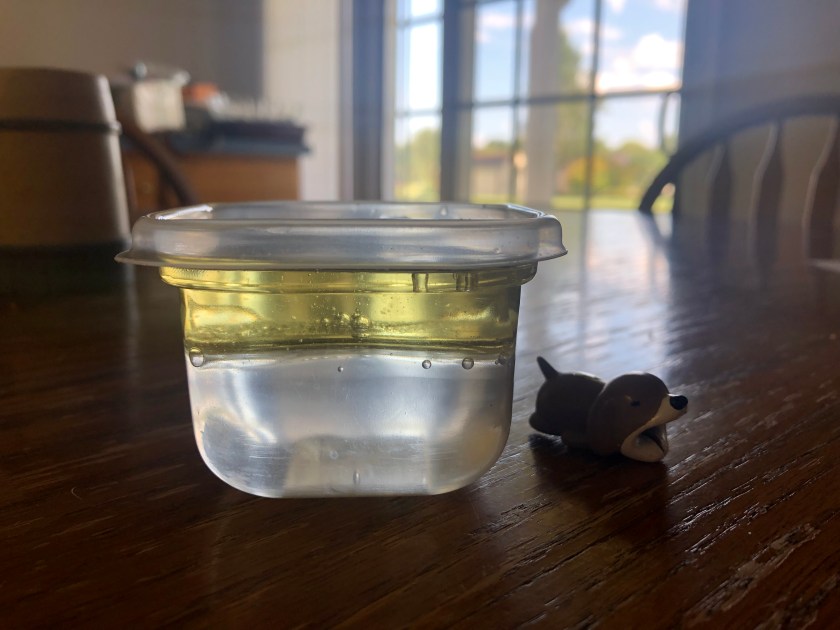
An item or object that is hydrophobic is an item that refuses to mix with and repels water. In this picture, the oil is considered hydrophobic because it is not mixing with the water and remains on the surface.


Lichen

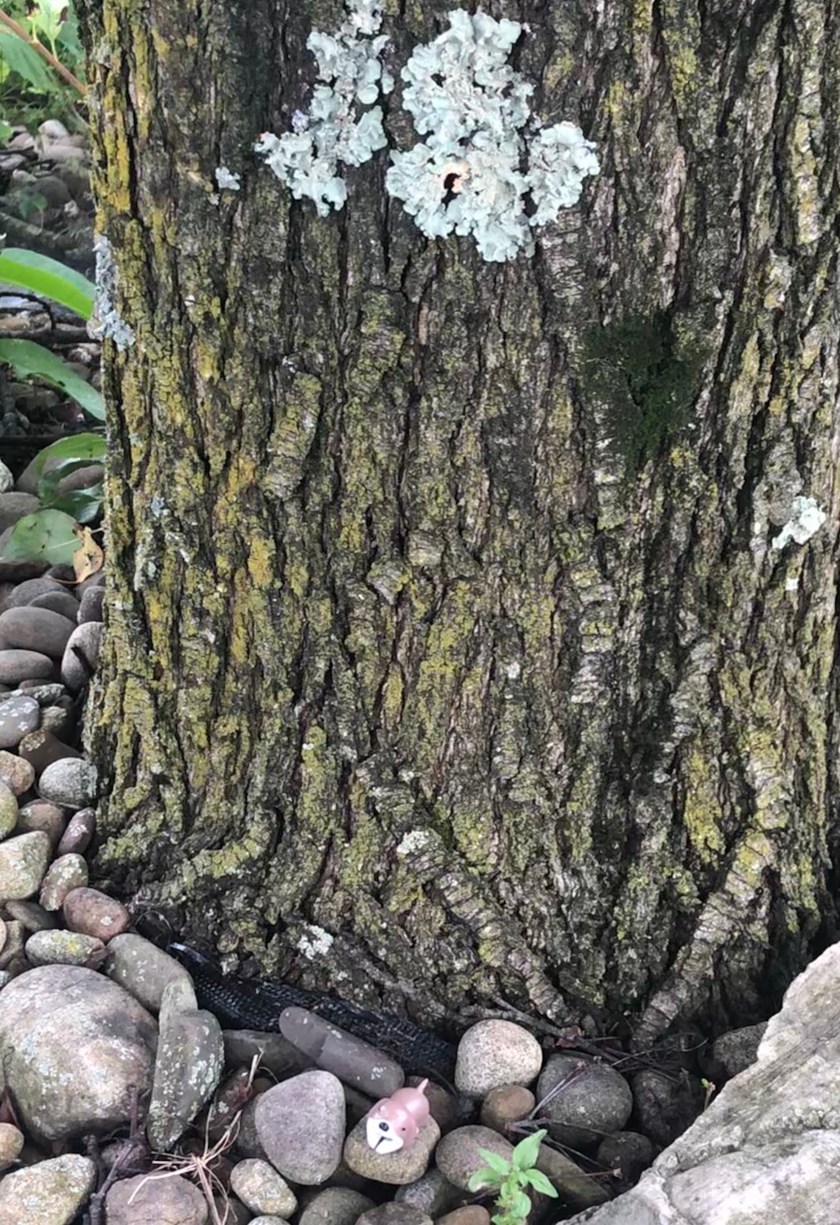
Lichen is normally found on rocks or the sides of tree trunks. It is a fungus growth that is in close association with algae in a symbiotic relationship. This tree has one species of fungi and one species of algae growing on the side of it. Also, this tree is not being harmed.


Dominant vs. Recessive Phenotype

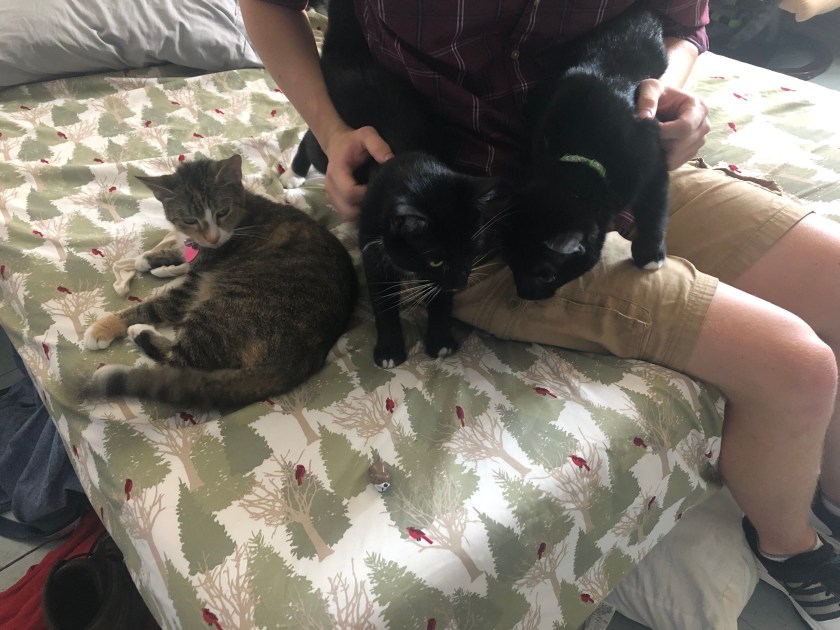
A phenotype is the visible characteristics or traits that a person possesses. A dominant phenotype is the trait when passed on, you are more likely to be born with. A recessive phenotype however, is less commonly passed on from parent to child. In this picture, the dominant trait is prominent in the middle kitten simply because it is all black. The mother holds the recessive trait because her coloring was not passed on to any one of her two young either.


Photosynthesis

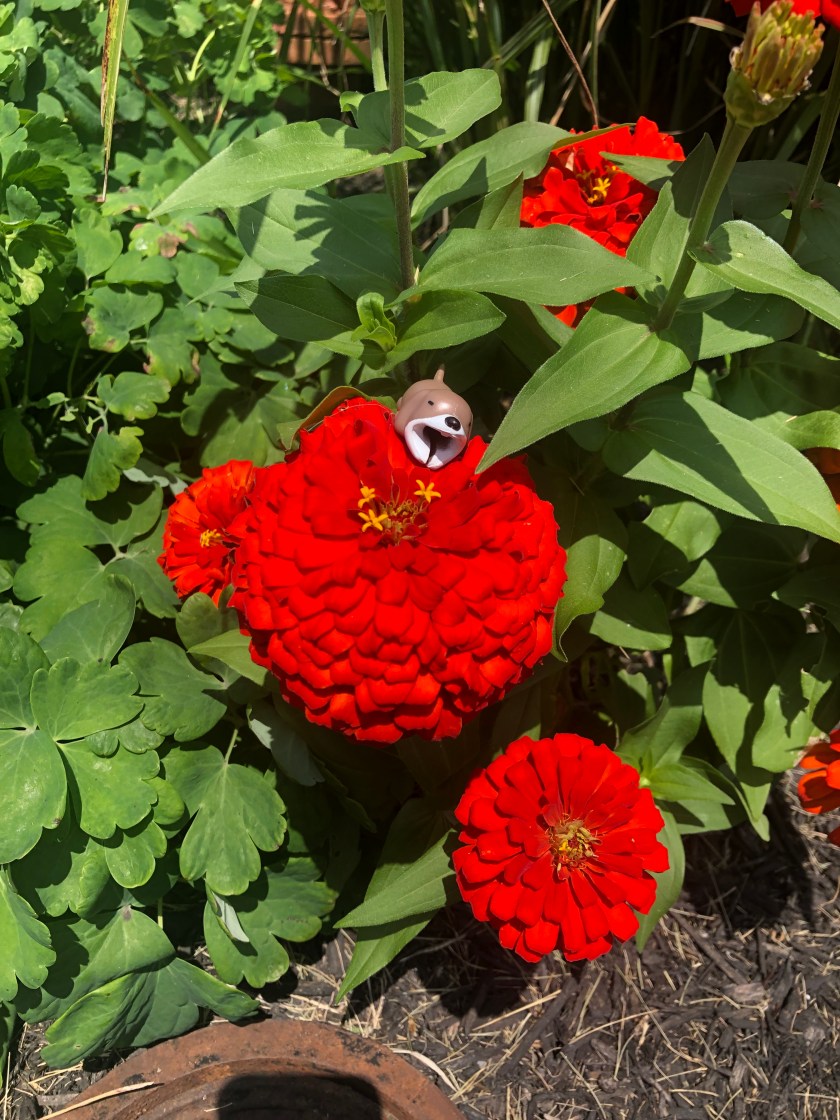
Photosynthesis is the process of using sunlight to make nutrients from collected carbon dioxide and water. This flower is using the pigment chlorophyll in its leaves, the shining sun, and the carbon dioxide to synthesize its own food.


Autotroph

Unlike a heterotroph, an autotroph does have the ability to use carbon dioxide and sunlight to produce its own nutrients. The grass uses sunlight, carbon dioxide, and water in a process called photosynthesis to create it’s own source of energy.


Amniotic Egg

An amniotic egg is the specific type of egg that reptiles, birds, and mammals lay. The picture below shows an amniotic egg laid by a bird. The embryo develops inside the innermost membrane of the egg called the amnion.


Chlorophyll

Chlorophyll is the green pigment found in the chloroplasts of plants, and is necessary for photosynthesis. This leaf has its bright green color due to the pigment inside of it absorbing the red and blue regions of the light spectrum and reflecting the green.